Understanding Male Wellness and Natural Care

An educational resource exploring herbal supplements, daily balms, and plant-based approaches to male wellness routines. Learn about ingredients, care practices, and lifestyle factors.

Educational content only. No medical services. No promises of outcomes.

Learn More
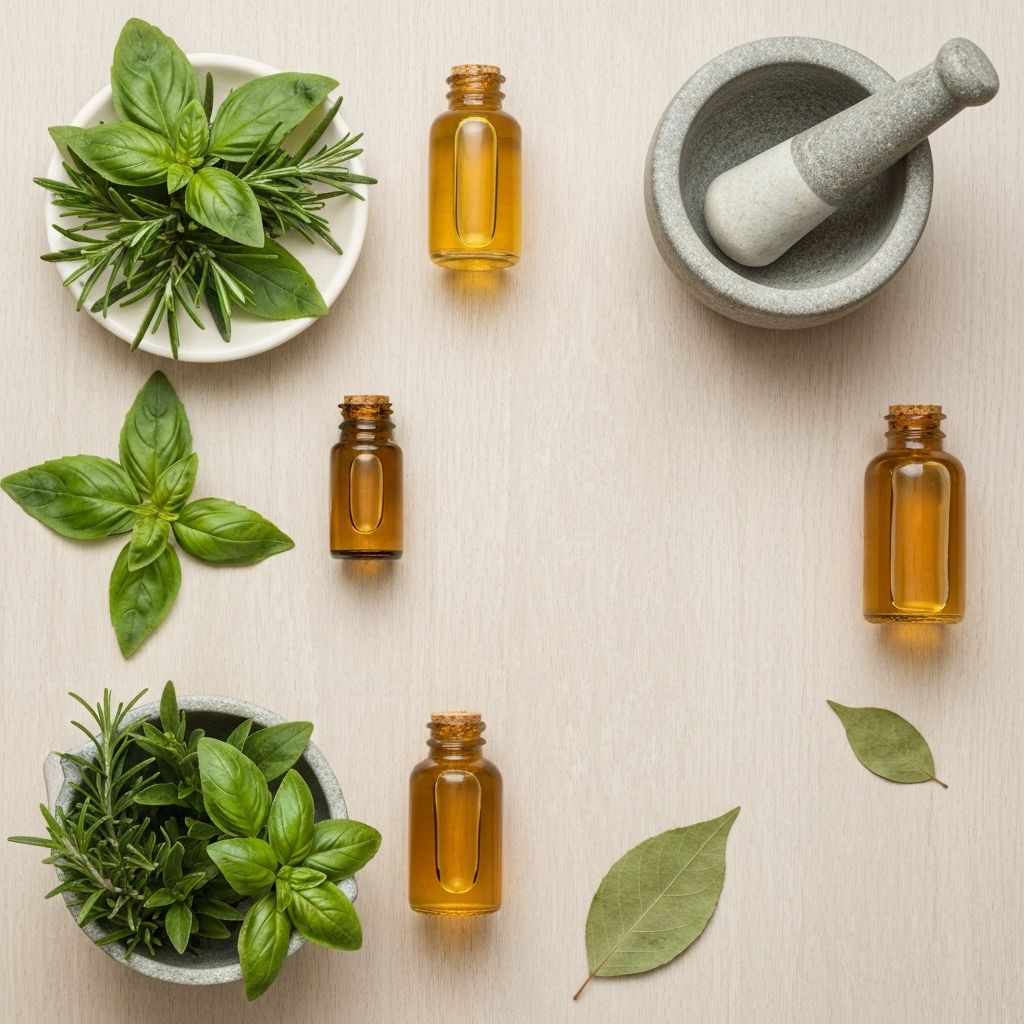
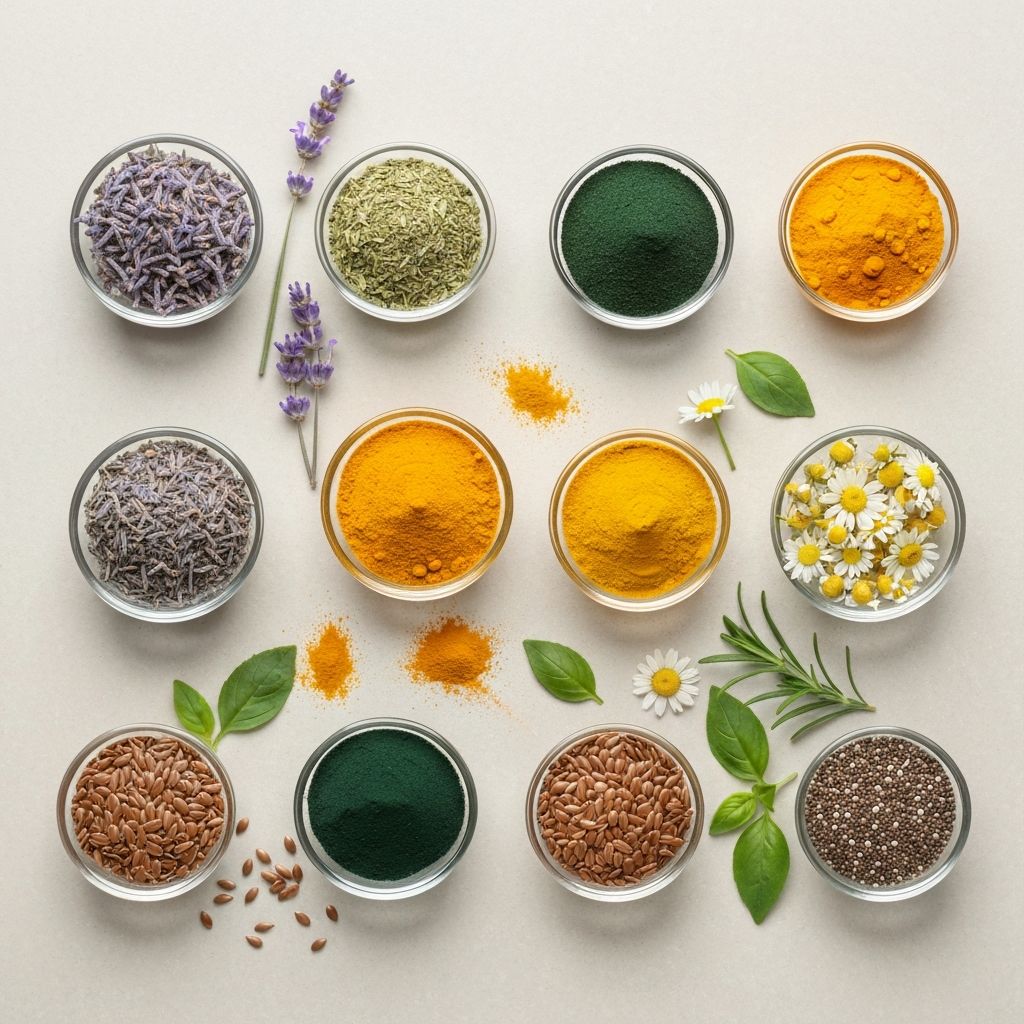
Natural wellness ingredients and herbal elements
Various natural supplement ingredients

Introduction to Male Wellness Supplements

Male wellness supplements encompass a broad category of products derived from natural and plant-based sources. These supplements have been part of various cultural traditions around the world for centuries.

Common categories include herbal extracts, mineral compounds, and botanical preparations. Each type has its own characteristics and traditional uses that have been documented across different regions.

Understanding the variety of available options can help individuals make informed choices about their daily routines and wellness practices.

This content is for educational purposes only and does not constitute personal recommendations or advice.

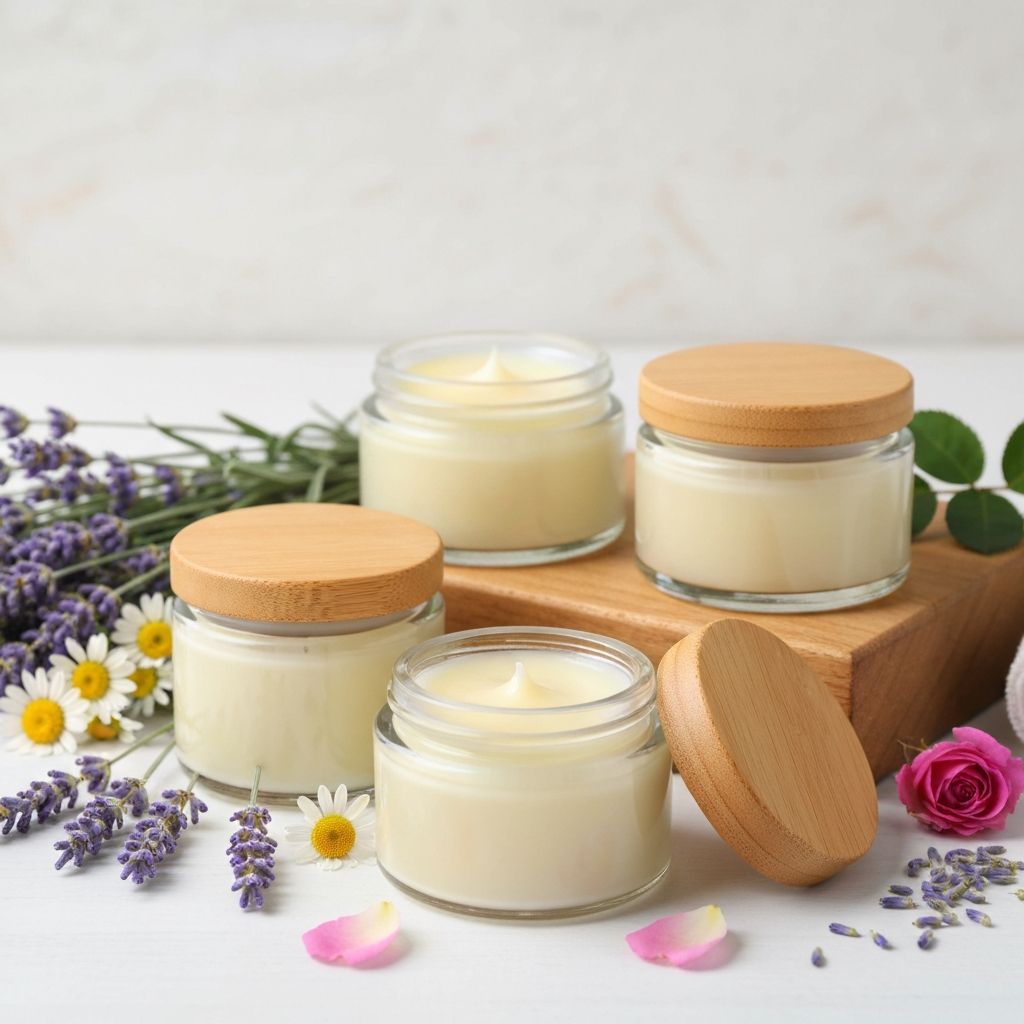
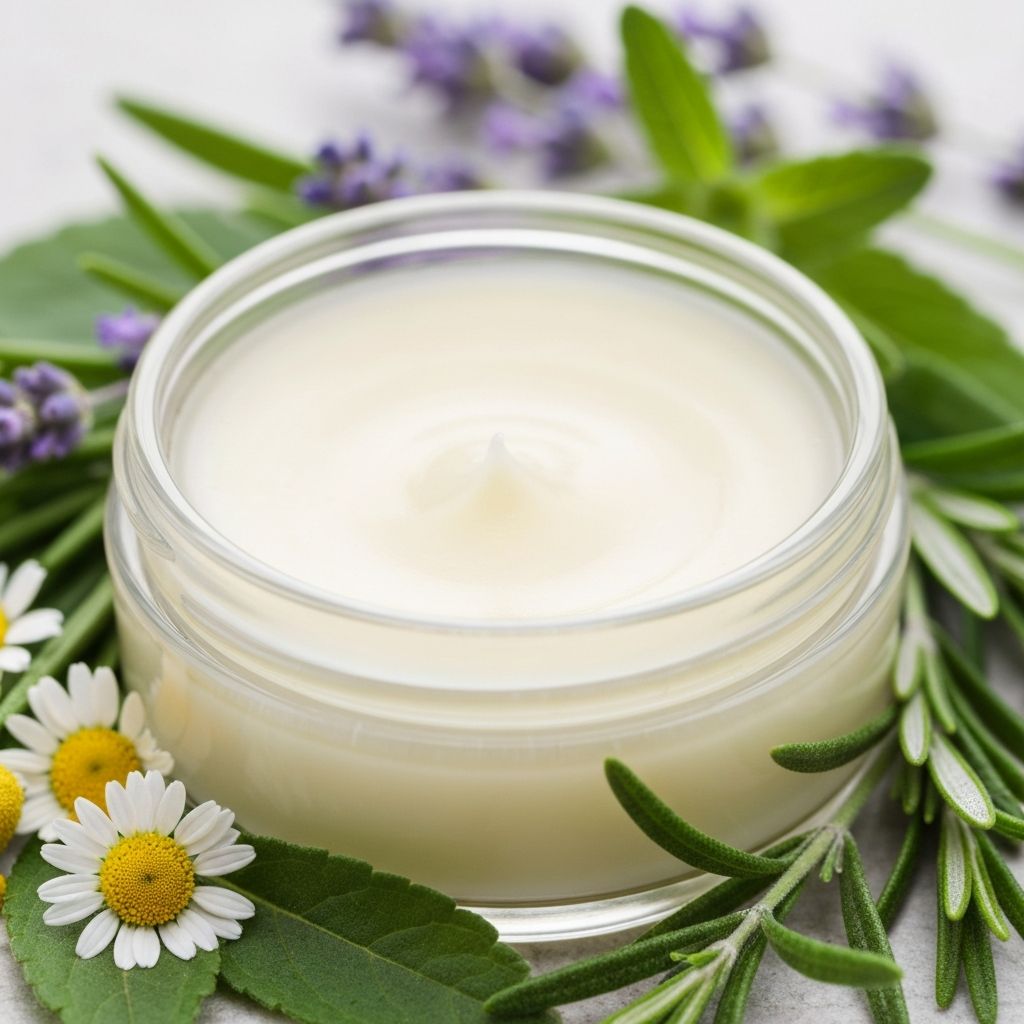
Natural balms and creams for daily care

Daily Balms and Creams Overview

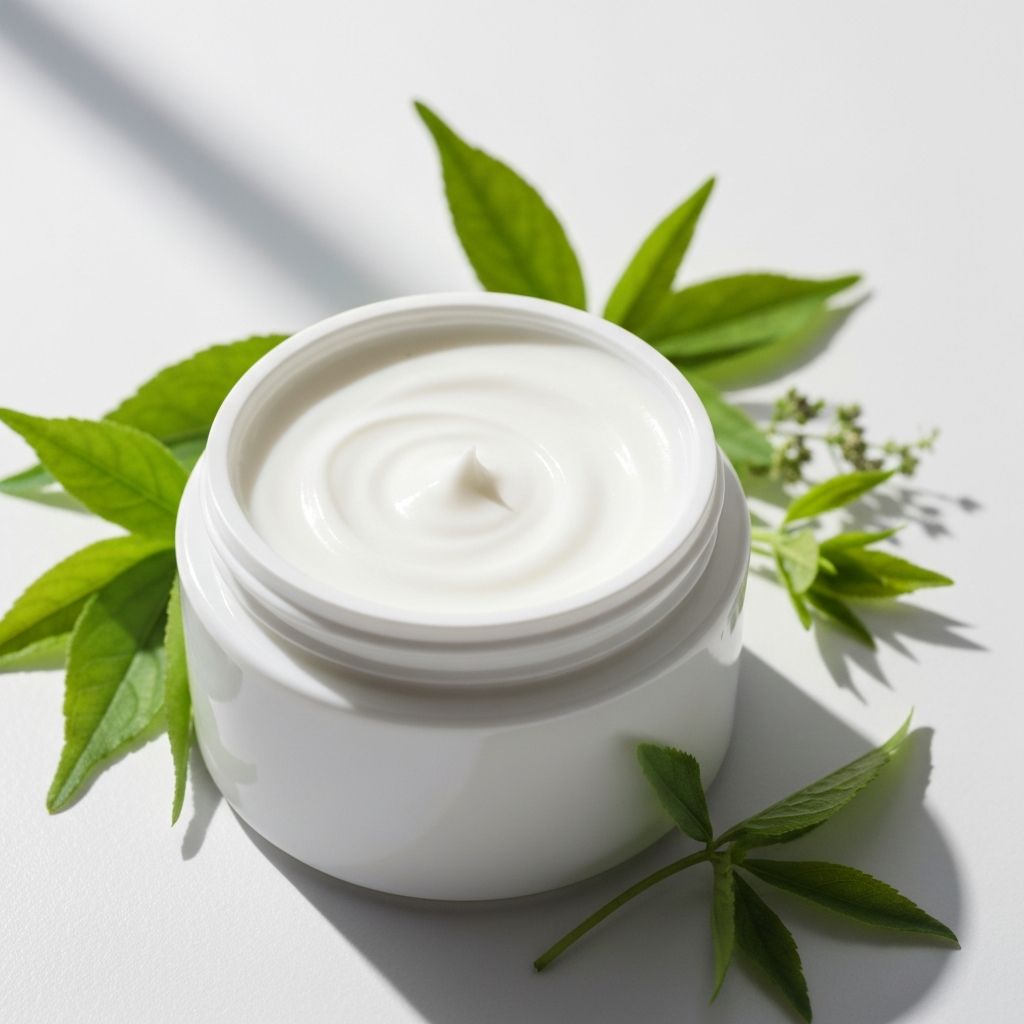
Topical balms and creams represent another category of products commonly used in male daily care routines. These preparations typically contain combinations of natural oils, botanical extracts, and moisturizing agents.

The formulation of such products varies widely, with some focusing on skin nourishment while others emphasize soothing or refreshing properties. Ingredients may include plant-based oils, herbal infusions, and natural emollients.

Learning about the different types of topical products can provide useful context for understanding personal care options.

Key Ingredients in Male Care Products

Many wellness products share common ingredients derived from natural sources. Below is an overview of frequently discussed components in educational literature.

Botanical Extracts

Plant-derived compounds obtained through various extraction methods. These may include root, leaf, or seed extracts from traditional herbs.

Natural Oils

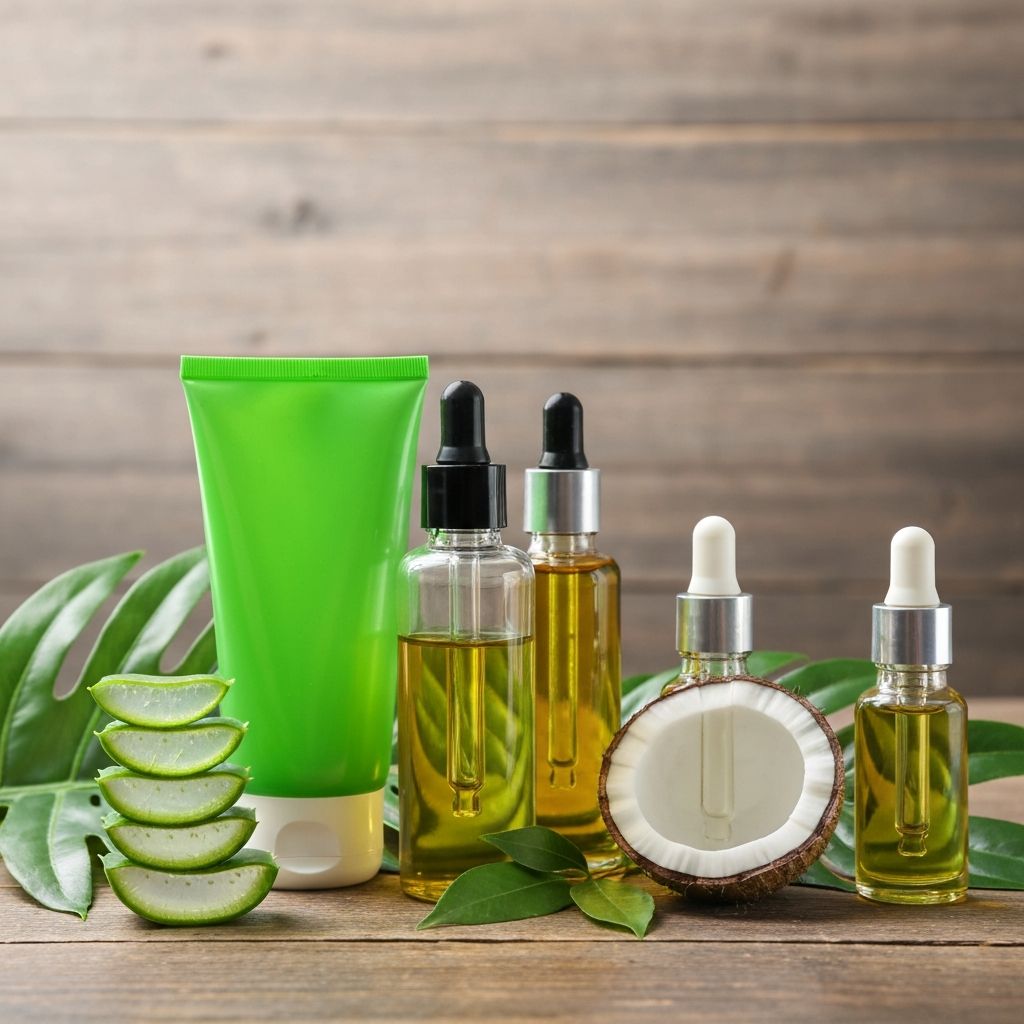
Oils derived from seeds, nuts, and fruits. Common examples include coconut oil, jojoba oil, and various seed oils used in topical preparations.

Mineral Components

Naturally occurring minerals that appear in many supplement formulations. Zinc, magnesium, and selenium are among the most commonly discussed.

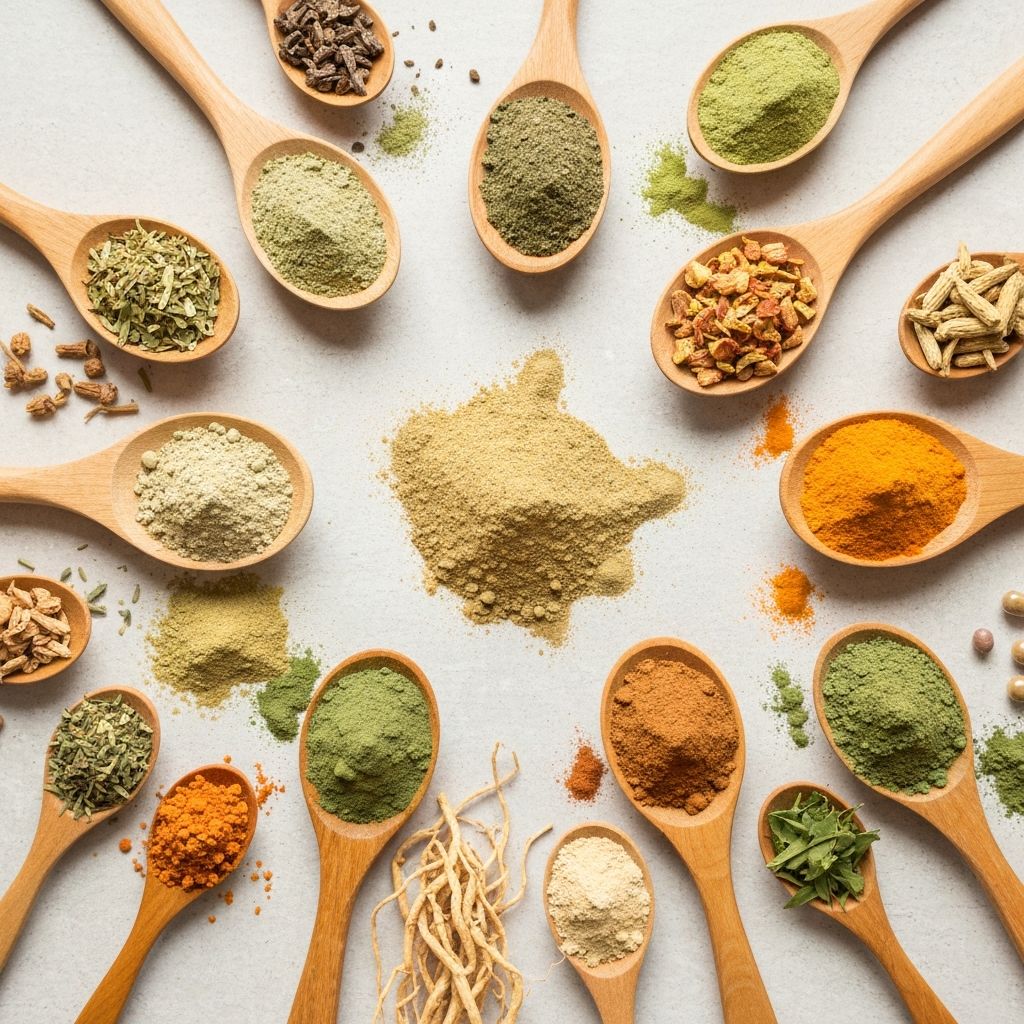
Herbal Powders

Dried and ground plant materials used in traditional preparations. These may be consumed directly or incorporated into other formulations.

Amino Acids

Building blocks found naturally in many foods. Some supplements contain isolated or concentrated forms of specific amino acids.

Adaptogens

A category of herbs traditionally used in various cultures. Examples discussed in educational contexts include ashwagandha and ginseng varieties.

Educational Content on Natural Supplements

Exploring different aspects of natural supplementation through informational resources.

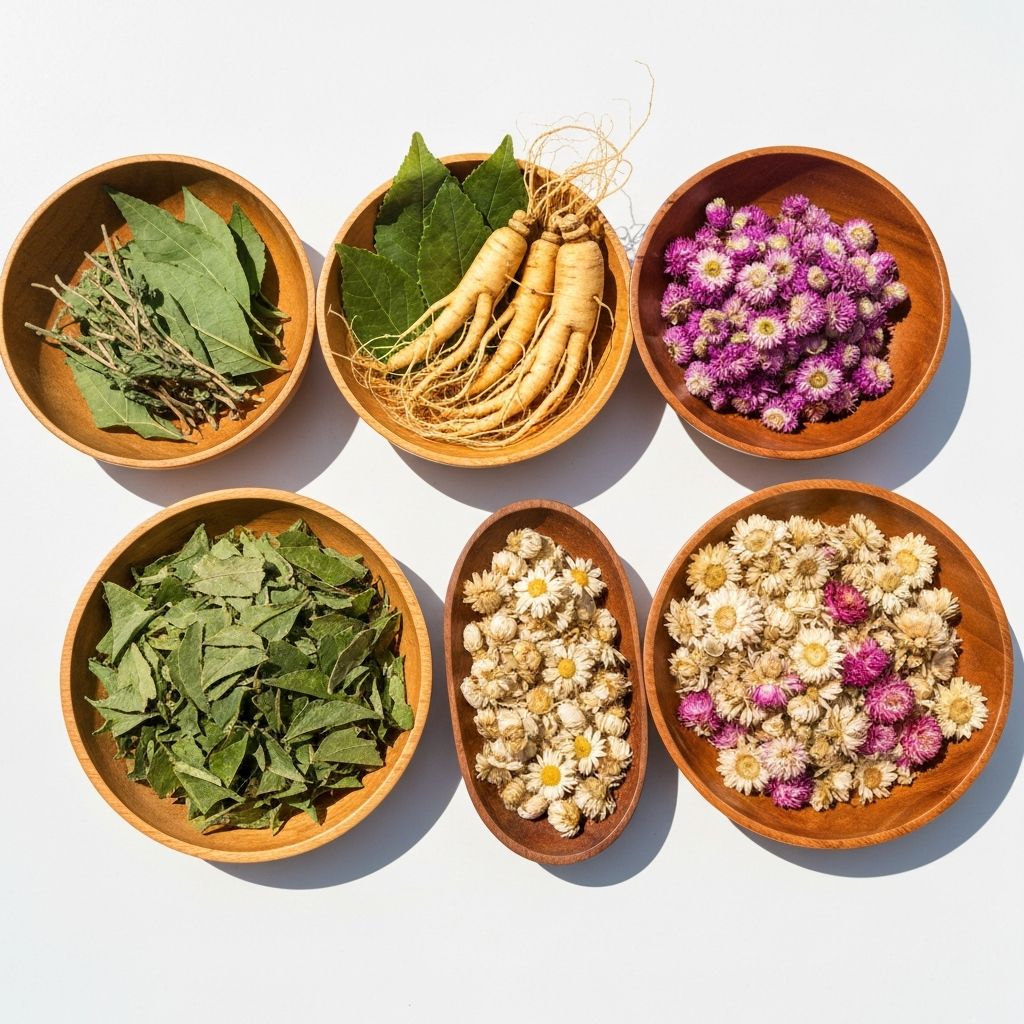
Herbal ingredients for educational reference

Understanding Herbal Traditions

Various cultures have developed their own approaches to herbal preparations over centuries. Educational resources document these diverse traditions and their historical contexts.

Read more about herbal traditions
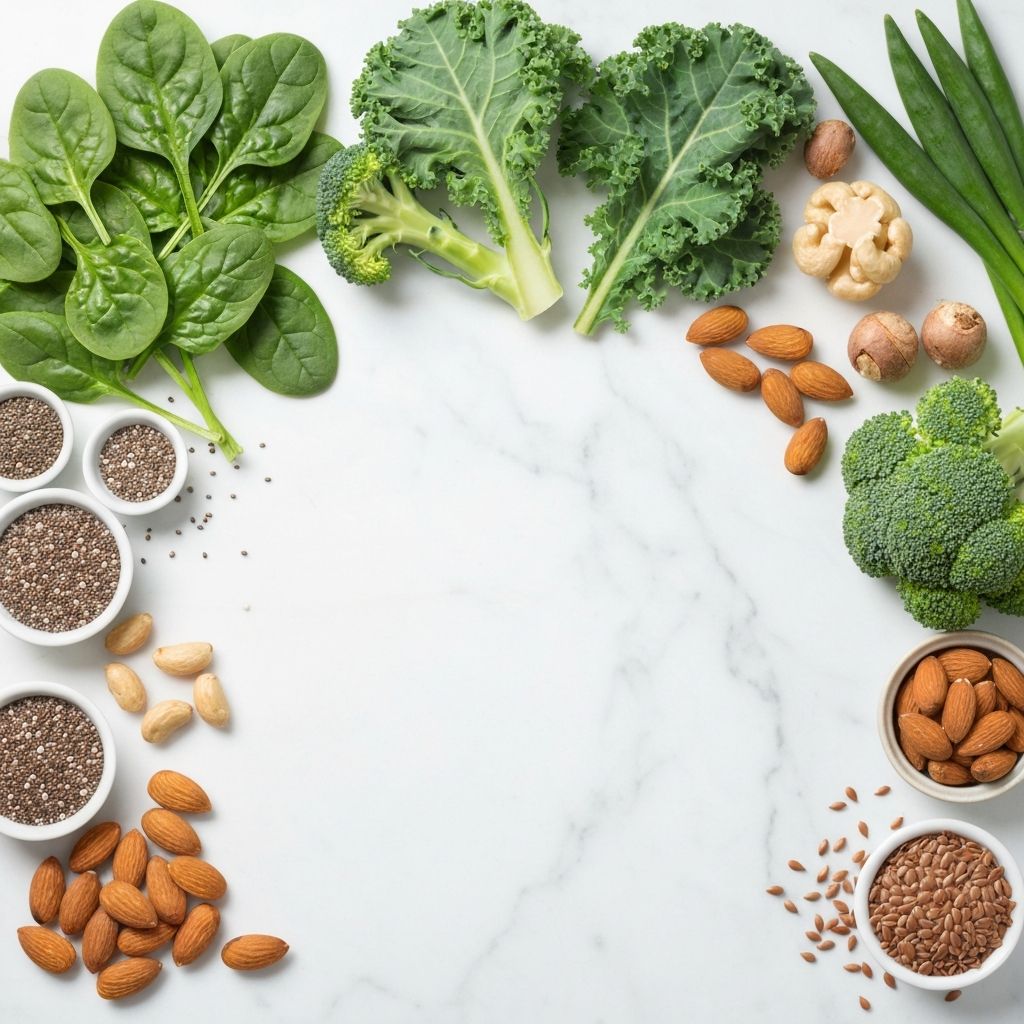
Plant-based nutritional elements

Plant-Based Nutrition Basics

Plant sources provide various nutrients that form part of many dietary approaches. Learning about these sources helps contextualize supplement discussions.

Learn about plant nutrition
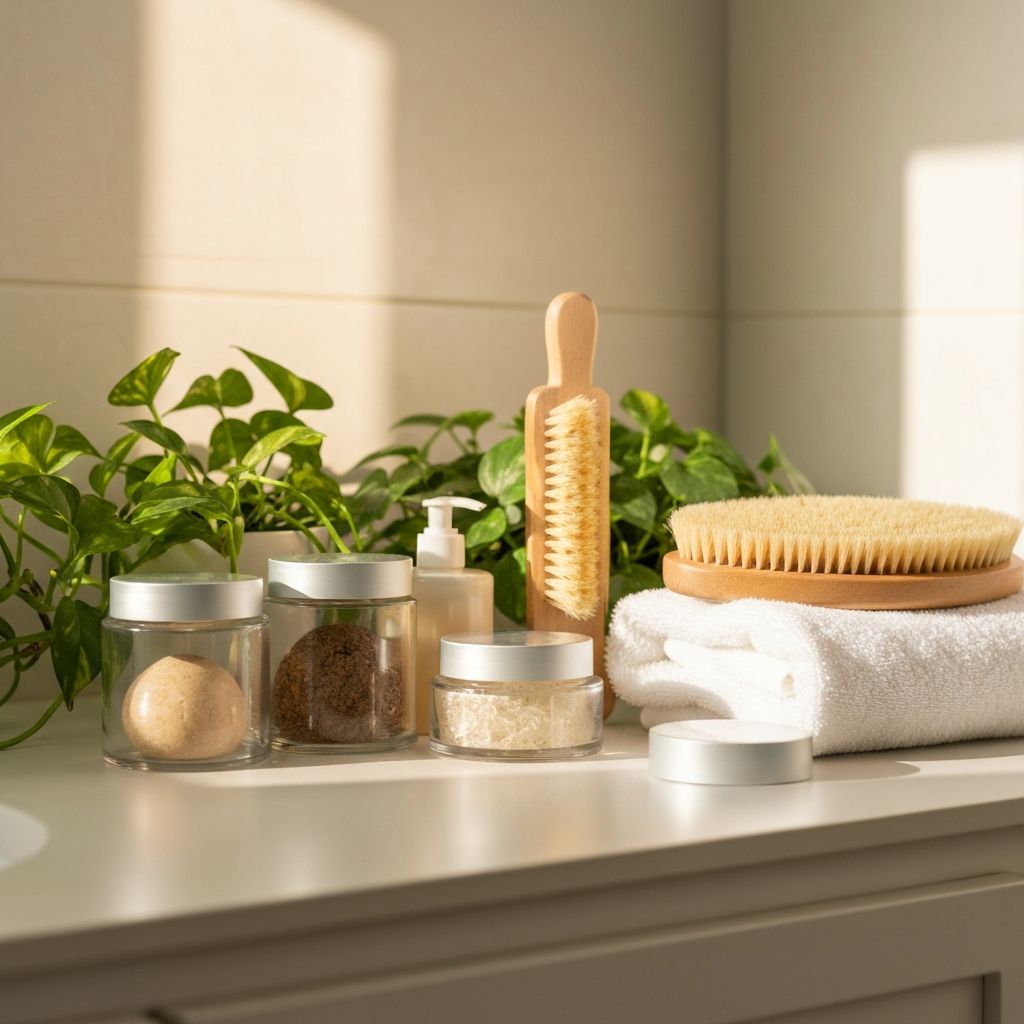
Daily wellness routine elements

Daily Routine Considerations

Wellness routines vary significantly between individuals and cultures. Educational materials explore the range of practices people incorporate into their daily lives.

Explore daily care routines

Skin Nourishment Routines

Skin care represents an important aspect of daily personal care for many individuals. Understanding the basics of skin nourishment can provide helpful context for those interested in this topic.

  • Cleansing practices help remove accumulated impurities from the skin surface
  • Moisturizing helps maintain skin hydration levels throughout the day
  • Natural oils may be incorporated into various skin care approaches
  • Balms and creams offer different textures and application methods
  • Seasonal adjustments may be relevant for some skin care routines

Individual skin types vary. This content provides general educational information only.

Natural ingredients for skin nourishment

Insights on Herbal Ingredients

Educational resources frequently discuss certain herbal ingredients that appear in various wellness product categories.

Ginseng Varieties

Multiple types of ginseng exist, including Asian and American varieties. Each has been documented in traditional use across different cultures and time periods.

Ashwagandha

An herb with origins in traditional Indian practices. Educational materials describe its historical use and the contexts in which it has been discussed.

Maca Root

A plant native to Peru that has been cultivated for centuries. It appears frequently in discussions about traditional South American botanical use.

Tribulus Terrestris

A plant found in various regions worldwide. It has been mentioned in multiple traditional systems and continues to appear in contemporary educational discussions.

Lifestyle Factors Affecting Male Wellness

General lifestyle considerations are often discussed alongside supplement and care product topics in educational contexts.

Rest Patterns

Sleep and rest cycles form a fundamental aspect of daily routines that educational resources frequently address.

Physical Activity

Movement and exercise represent commonly discussed elements in wellness-related educational materials.

Dietary Choices

Nutritional intake and food selection appear in many educational discussions about overall wellness approaches.

Stress Awareness

Understanding stress and its presence in daily life is a topic addressed in various educational wellness resources.

Frequently Asked Questions

What is the purpose of this educational resource?

This website provides informational content about male wellness supplements, daily balms, and natural care products. It aims to explain concepts and provide educational context rather than offer personal advice or recommendations.

Does this site provide personalized recommendations?

No. This is an educational resource that explains topics in a general, informational manner. We do not provide personalized advice, recommendations, or guidance for individual situations.

What types of products are discussed here?

The content covers natural and herbal supplements, daily balms and creams, botanical ingredients, and general wellness routine concepts. All content is presented in an educational format.

Is the content on this site intended to replace professional guidance?

No. Educational content provided here is for informational purposes only and should not be considered a substitute for professional guidance from qualified practitioners.

How should I interpret the information presented?

All information should be understood as general educational material. Individual circumstances vary widely, and the content here does not account for personal situations or needs.

Contact Information

VitaHerb

Address: Jl. Sudirman No. 22, Jakarta, Indonesia

Phone: +62 81 9 374 65 28

Email: [email protected]

Send a Message

Visual Examples of Balms, Creams, and Supplements

Representative images illustrating the types of products discussed in educational wellness content.

Continue Exploring Male Wellness Topics

Discover more educational content about natural supplements, daily care routines, and herbal ingredients.

Learn about our educational mission